A region, languages, and living culture
Karelia
Karelia is not one simple place or a single story. It is a historical and cultural region extending across areas now in Finland and Russia. Karelia is part of Finland’s history, while Karelian people also have their own languages, identities, and traditions.
Borders before and after the wars
Two maps, two different questions
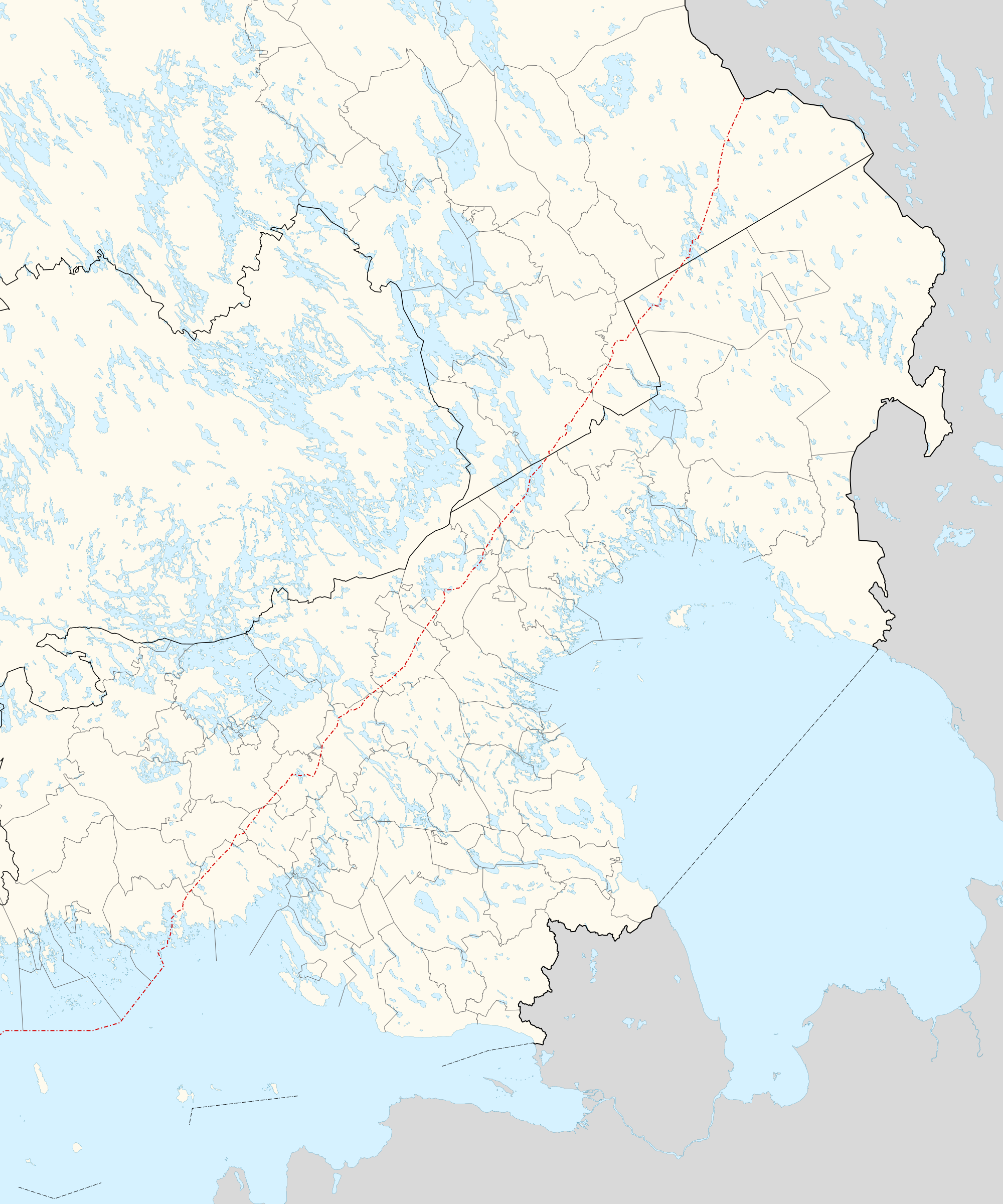
The first map shows the municipalities of the Finnish territories ceded in 1940, preserving the prewar administrative geography around Viipuri. The second places the 1940 and 1944 territorial cessions within Finland as a whole. Neither map, by itself, defines the full historical or cultural region of Karelia.

Geography and people
Many Karelias
In present-day Finland, North Karelia and South Karelia are living regions. Across the eastern border, the Republic of Karelia lies within Russia, while part of the historical Karelian Isthmus, including Vyborg, belongs to Russia’s Leningrad Oblast. Ladoga Karelia, Border Karelia, Olonets Karelia, White Sea Karelia, and Tver Karelia each name different historical and cultural areas.
Borders, governments, languages, and church traditions have varied from one part of Karelia to another. Careful writing therefore identifies which area, period, and community it means.
A city at a border
Viipuri in Finnish and Karelian history
The Swedish realm established Vyborg Castle in a region shaped by trade and rivalry between east and west.
Russia captured Vyborg in 1710. In 1812, so-called Old Finland, including Vyborg, was joined to the autonomous Grand Duchy of Finland.
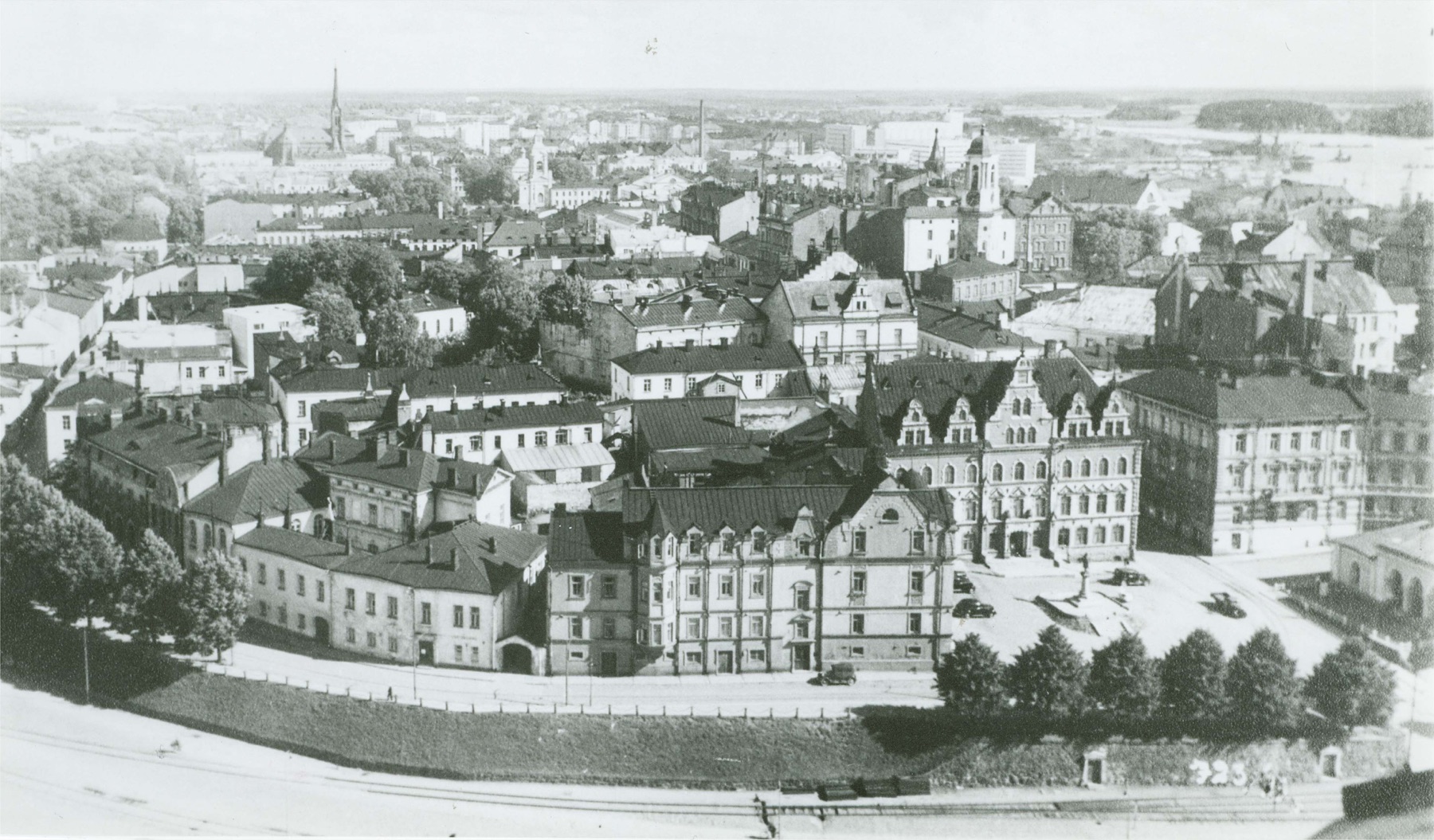
Vyborg belonged to independent Finland and, before the Second World War, was one of the country’s largest and most multilingual cities. The Winter War, Continuation War, and resulting peace settlements placed the city within the Soviet Union.
Vyborg is a city in Leningrad Oblast in the Russian Federation. Its Finnish, Swedish, German, Russian, and Karelian histories remain visible in buildings, archives, family memories, and church relationships.
Follow the language
Karelian is not the same as the Karelian dialects of Finnish
Karelian is a distinct Finnic language and one of Finnish’s closest relatives. The name covers closely related varieties: Karelian Proper includes White Sea Karelian and South Karelian, while Livvi, also called Olonets Karelian, forms another principal group. Ludic is classified in some traditions with Karelian and in others as a separate Finnic language.
The Karelian language
A distinct Finnic language spoken in Finland and Russia.
Karelian varieties
Three literary standards are based on White Sea Karelian, South Karelian, and Livvi.
Finnish “Karelian dialects”
The southeastern dialects of Finnish, and the Savonian dialects of North Karelia, belong to Finnish rather than to the Karelian language.
The language is endangered, but it is taught, researched, written, and actively revitalized in Finland. Karelia’s different regions, communities, and language varieties cannot, however, be reduced to one speaker figure or one simple map.
The language also lives through poetry
A major share of the Kalevala’s source material comes from Karelian oral poetry, especially poems recorded in White Sea Karelia. Elias Lönnrot and other collectors transformed that material into literary collections. As the Kalevala became Finland’s national epic, the contributions of Karelian and Ingrian singers were sometimes obscured by a Finnish national narrative.
War, loss, and rebuilding
Karelian evacuees changed all of Finland
After the Second World War, about 430,000 people from the ceded territories were resettled elsewhere in Finland; about 407,000 were Karelians. This was not merely a demographic change. Families lost homes, parishes, cemeteries, and familiar landscapes, and many had to leave twice.
In new communities, Karelians rebuilt homes and networks, founded Karelian associations, and carried foodways, speech, music, Orthodox and Lutheran traditions, and strong family and village memories across the country. Karelia’s influence consequently became part of life throughout Finland.
Not only the past
Karelia in Finland today
Food
Karelian pies, Karelian stew, sultsina crêpes, and other regional foods live on in homes, bakeries, and celebrations.
Music and poetry
Runo-song, laments, and kantele traditions have shaped Finnish musical culture and continue in new forms.
Faith and custom
Orthodox and Lutheran traditions have met in Karelia for centuries. Both belong within the histories of Karelian families and communities.
Language and identity
Language revitalization, genealogy, homeland visits, and new art keep Karelian identities alive, not merely as memory of lost territory.